CODED
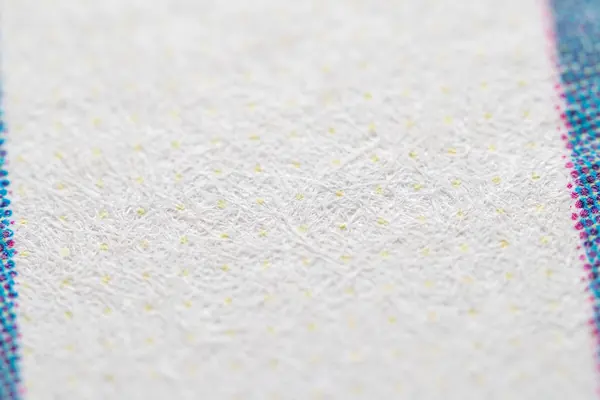
A grid of tiny yellow dots
TU Dresden researchers say tracking dots are included in almost all colour prints. Their patterns identify the maker, the printer's serial number and the date and time of printing.
See the numbers
 radprinters
WHAT THE RESEARCH FOUND
15 × 8 dots in one decoded grid
A colour printout can carry a message you never wrote.
Many colour laser printers add a faint grid of tiny yellow dots to every page. Researchers have decoded some of these patterns and found a serial number, a date and a time. Here is how the code works and how to look for it.
Updated
Check a printer typeTHE SHORT ANSWER
One code you cannot see,
one way to see it, and one block you will meet.
CODED
TU Dresden researchers say tracking dots are included in almost all colour prints. Their patterns identify the maker, the printer's serial number and the date and time of printing.
See the numbersSPOT THEM
Under pure blue light the yellow dots look black. EFF found a blue LED torch and a magnifying glass were enough to see the markings.
Check a printerBANKNOTES
The central banks' counterfeit deterrence system stops computers and imaging tools capturing or reproducing a protected banknote. It does not track the user.
Two systemsA QUICK PRINTER CHECK
Pick a kind of machine to see what the Electronic Frontier Foundation (EFF) says about forensic codes in its output. The bar shows how likely a hidden code is.
EFF stopped updating its printer list, and no maker has published how the codes work. Treat these as cautious rules of thumb, not proof for any one machine.
TWO NUMBERS WORTH KNOWING
One figure for the largest sample here,
one for the grid a decoded printer uses.
141 printers
Printers studied to decode tracking dots
1,286 prints from 141 printers made by 18 manufacturers. The team found previously unknown pattern types and built an app that decodes the dots and can scramble them.
SAMPLE · TU DRESDEN 2018
15 × 8 dots
Dot positions in one repeat of a decoded grid
One colour laser series prints a 15 by 8 grid, repeated over the whole page. It holds up to 14 seven-bit bytes, plus parity dots that catch reading errors.
GRID · EFF
In the decoded grid, columns hold the serial number and the year, month, day, hour and minute of printing. The hour may be in UTC, or set inaccurately in the printer (EFF DocuColor decoding guide).
FOUR THINGS TO KNOW
These come from EFF's test method and the Bank of England's own guidance.
Point a blue LED torch at the white parts of a colour printout. EFF says many black dots with some structure probably mean tracking dots.
A magnifying glass or microscope helps. EFF says most people with good vision can see the dots with either blue light or magnification on its own.
No visible dots does not prove a page is unmarked. EFF notes that other forensic marking techniques exist.
The Bank of England allows images of its notes only under its conditions. A physical copy must be one-sided and at least 25% smaller or larger than a real note.
TWO SYSTEMS, TWO JOBS
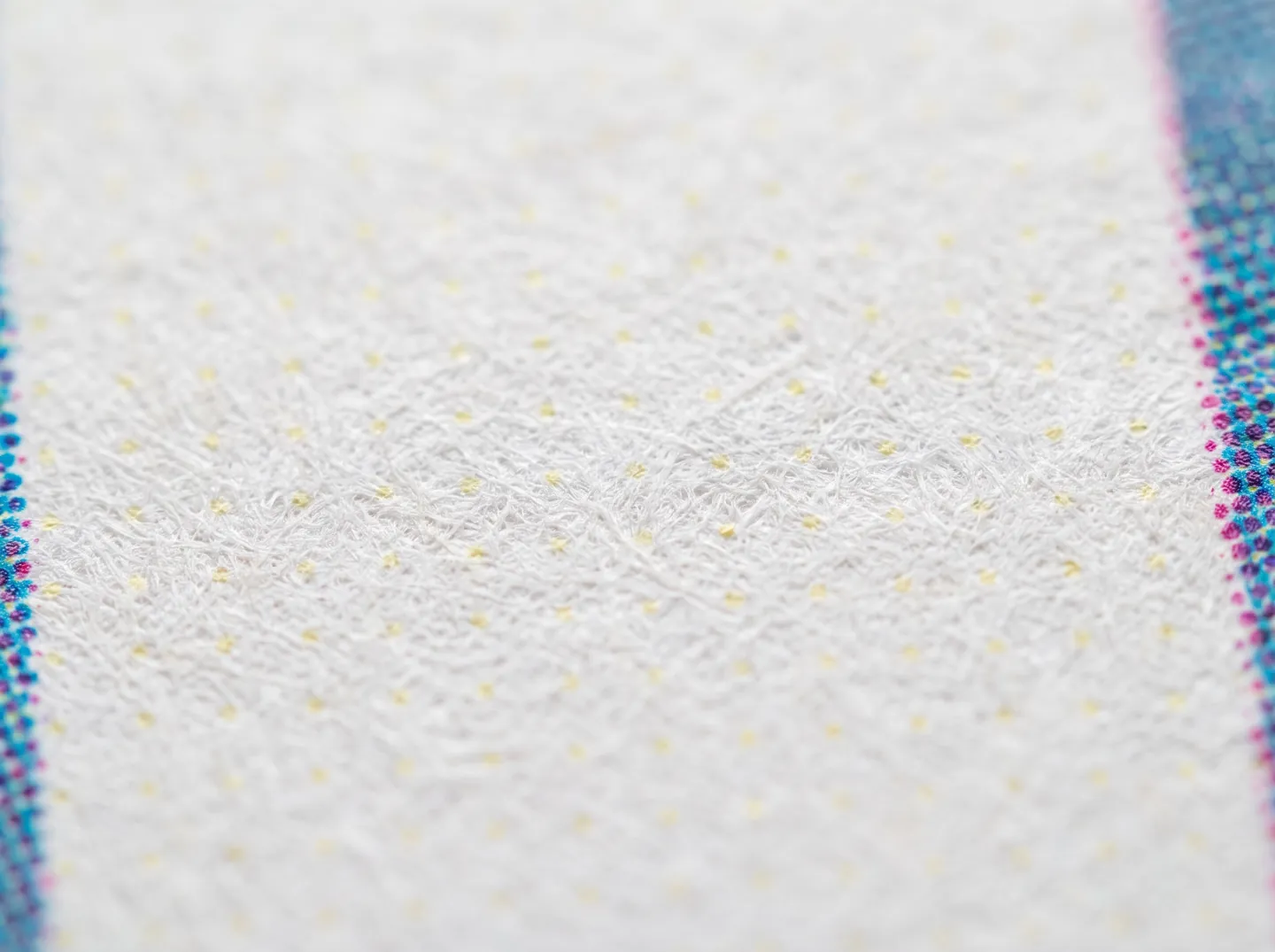
Tracking dots mark a page after it is printed. EFF reports, citing a 2004 PC World article, that makers developed the markings at the request of the United States Secret Service to deter counterfeiting. The TU Dresden team says there is no official information on the reasons or the technology; most companies they asked declined to comment.
Banknotes have a second guard that works before anything is printed. The Central Bank Counterfeit Deterrence Group's system, voluntarily adopted by hardware and software makers, stops computers and imaging tools capturing or reproducing a protected banknote. In the UK, it is an offence to reproduce Bank of England notes without the Bank's consent, which it gives through its published reproduction conditions.
Questions
Tiny yellow dots, invisible to the naked eye, that TU Dresden researchers say are automatically included in almost all colour prints. Their patterns identify the manufacturer, the printer's serial number and the date and time of printing.
As far as EFF knows, printers other than colour laser and similar technologies do not deliberately encode their serial numbers. EFF adds that forensic investigation of documents from other printers is still possible.
Shine pure blue light on the white parts of the page, which makes the yellow dots look black, or use a magnifying glass or microscope. EFF found a blue LED torch and a magnifying glass were enough.
Some can. EFF's Machine Identification Code Technology project published a guide to reading the date, time and printer serial number from the 15 by 8 grid of yellow dots that one colour laser series prints, with an interactive decoder. In 2018 TU Dresden researchers released DEDA, a free app that decodes the information embedded in a print and can scramble the yellow dot pattern to anonymise it.
The European Parliament has discussed them and concluded that they "might violate the right to protection of personal data", according to TU Dresden. The researchers say people should know the codes exist.
Many makers have adopted the central banks' counterfeit deterrence system, which stops computers and imaging tools capturing or reproducing a protected banknote image. The group says it cannot track how a computer is used.
Sources
ABOUT THIS NAME
radprinters.com is part of the DoodleSale portfolio. It isn't in an auction right now, but you can ask about leasing it.